May 1, 2026
The roof is one of the most important parts of your home's structure. It protects against the weather, supports energy efficiency, and affects curb appeal. When considering a new roof, residential roofers can help homeowners compare materials, costs, timelines, and long-term value before making a decision. A roof replacement is not just about removing old materials and installing new ones. It requires planning, budgeting, contractor selection, and a clear understanding of how the new roofing system will perform over time. This article explains the most relevant factors homeowners should consider before moving forward with a new roof.
1. Evaluating Your Current Roof's Condition
A. Inspecting for Visible Damage
Before investing in a new roof, homeowners should inspect the current roof for visible damage. Missing shingles, cracked materials, loose flashing, sagging areas, and damaged gutters may all point to larger problems. While some issues are easy to see from the ground, others require a closer professional assessment. Regular inspections by residential roofers can help uncover problems that may not be obvious at first, such as leaks, ventilation concerns, soft decking, or damaged flashing. Documenting roof conditions can also help homeowners compare changes over time. According to industry expectations, 78% of roofing contractors predict increased sales, implying that a high volume of roofing replacements is anticipated. This makes it even more important for homeowners to address roof concerns early and make informed decisions before damage becomes more extensive.
B. Reviewing Age and Material Lifespan
The age of the roof is one of the clearest signs that replacement may be needed. Asphalt shingles often last around 15 to 30 years, depending on the product, installation quality, climate, and maintenance. Metal, tile, and slate roofs may last longer, but they still need periodic inspections. Residential roofers can help homeowners compare the expected lifespan of their current roof with the condition of the materials. A roof that is nearing the end of its service life may not be worth repairing repeatedly, especially if leaks, curling shingles, or granule loss are already present. Local weather also affects roof longevity. Heavy rain, snow, hail, wind, heat, and humidity can all shorten the lifespan of roofing materials. Choosing materials that match the local climate can help improve performance and reduce future maintenance needs.
C. Checking for Leaks and Water Damage
Water damage is one of the most serious roofing concerns. Ceiling stains, musty odors, peeling paint, damp insulation, and attic moisture can all indicate a leak. Even small leaks can lead to structural damage, mold growth, and damaged interior finishes if they are ignored. Leaks often begin around vulnerable areas such as chimneys, skylights, roof valleys, vents, and flashing.
Residential roofers can inspect these areas and determine whether the damage is isolated or part of a larger roofing problem. This evaluation can help homeowners decide between repair and replacement. Gutters should also be reviewed during the inspection process. Clogged or damaged gutters can force water back onto the roof or down near the foundation. Keeping water moving away from the home is a key part of protecting the roofing system and the structure beneath it.
2. Understanding Roofing Material Options
A. Asphalt Shingles
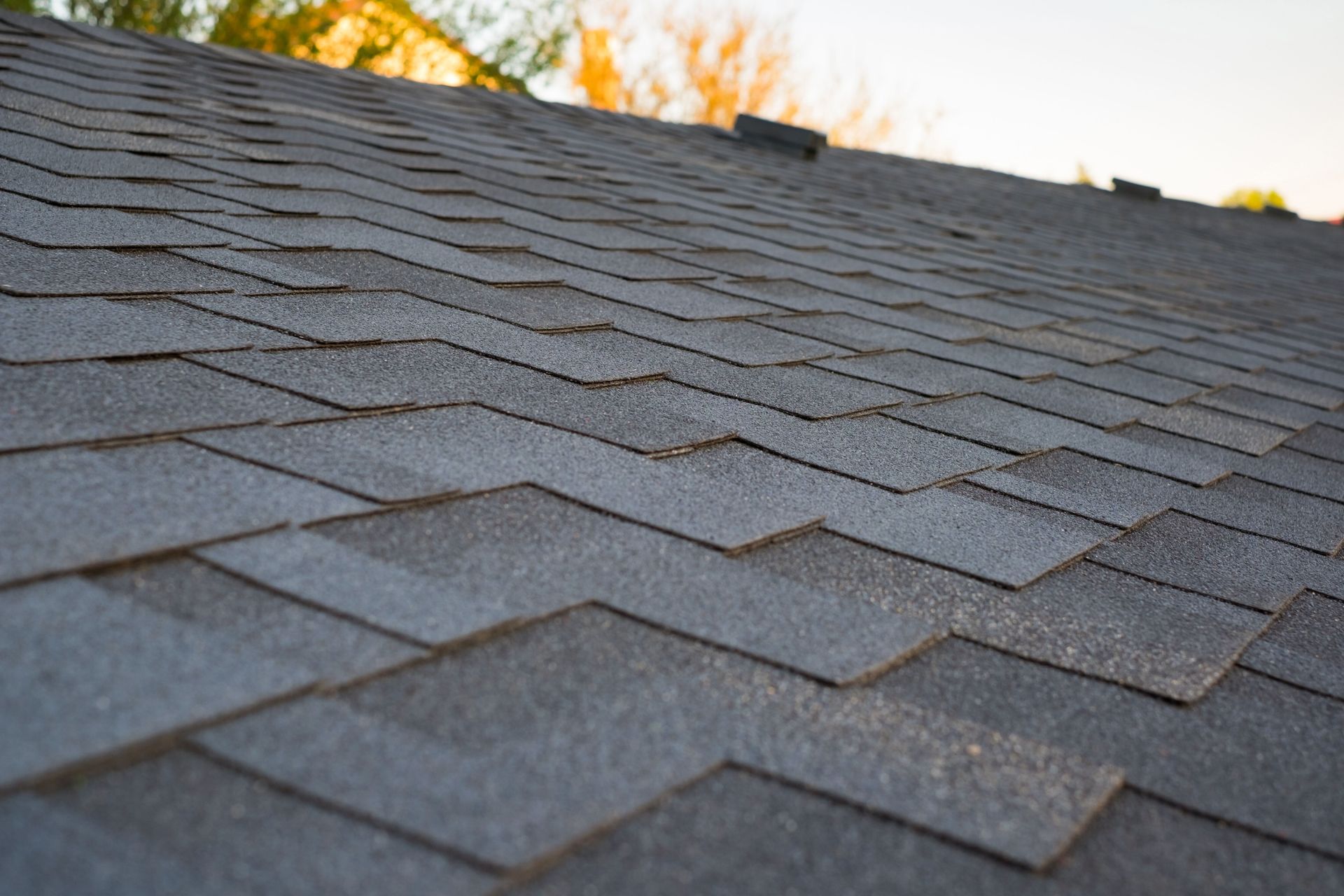
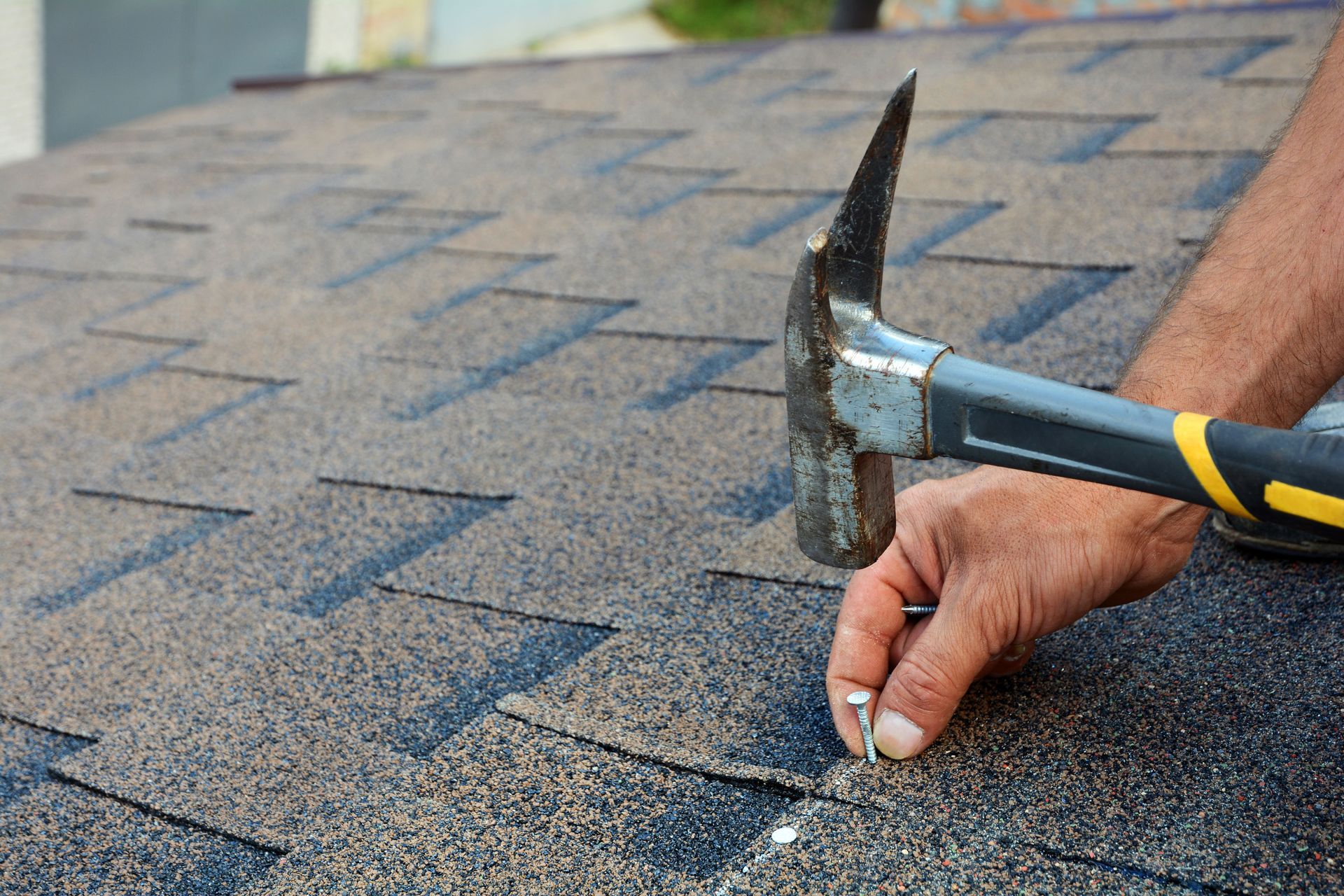
Asphalt shingles remain one of the most common roofing materials because they are affordable, versatile, and available in many colors and styles. They work well for many homes and are generally easier to install and repair than some premium materials. However, asphalt shingles may not last as long as metal, tile, or slate. They can be affected by wind, heat, impact damage, and rapid temperature changes. Homeowners should compare basic 3-tab shingles, architectural shingles, and premium options before choosing a product. Residential roofers can explain the differences between shingle grades and help homeowners select an option that fits their budget, home style, and performance expectations. The right shingle choice can improve appearance while supporting reliable protection.
B. Metal Roofing
Metal roofing has become more popular because of its durability, weather resistance, and energy efficiency. It can reflect solar heat, withstand strong winds, and last longer than many traditional roofing materials when installed properly. The main drawback is the higher upfront cost. Metal roofing also requires skilled installation to prevent water intrusion, panel movement, and fastening issues. Because the material expands and contracts with temperature changes, proper installation details matter. Residential roofers with experience in metal roofing can help homeowners understand whether the investment makes sense for their property. For some homes, the longer lifespan and lower maintenance needs can outweigh the higher initial price.
C. Tile, Slate, and Sustainable Options
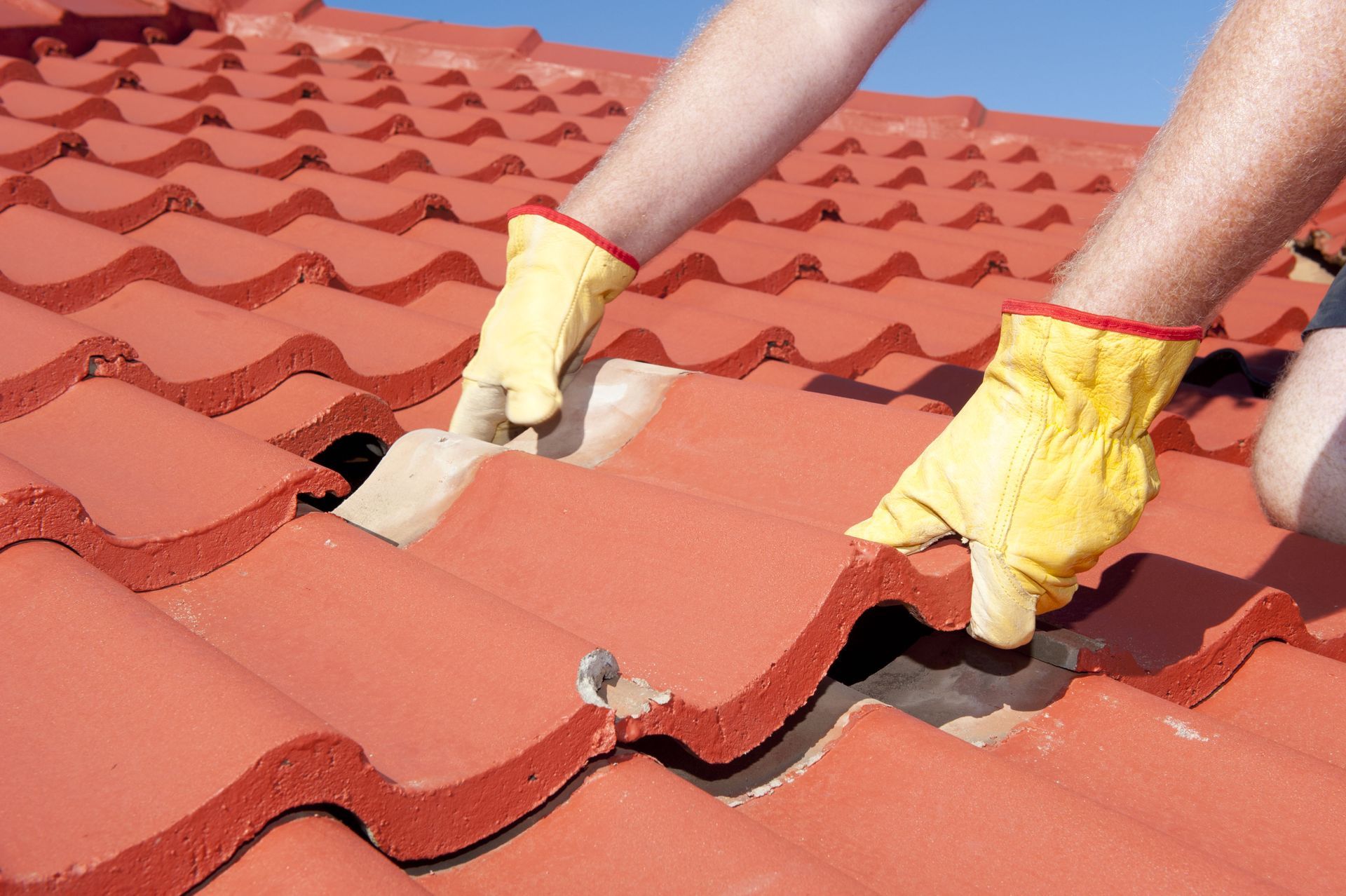
Tile and slate roofs offer exceptional durability and a distinctive appearance. These materials can last for decades and may perform well in harsh weather conditions. However, they are heavy and often require structural support, which can increase the overall project cost. Sustainable roofing options are also worth considering. Cool roofs, recycled shingles, green roofs, and solar roofing products may improve energy efficiency and reduce environmental impact.
Some options may also qualify for incentives, depending on the location and product type. Residential roofers can help homeowners compare appearance, performance, weight, maintenance, and long-term value across these options. Material choice should account for budget, home structure, local climate, and the homeowner’s long-term plans.
3. Budgeting for a New Roof
A. Estimating the Total Cost
Budgeting for a new roof begins with understanding what affects the total cost. Roof size, slope, material choice, labor, permits, disposal, ventilation, flashing, and repairs to underlying decking can all influence the final price. Homeowners should ask for detailed written estimates rather than relying on a single bottom-line number. Clear estimates make it easier to compare contractors and understand what is included. They can also help identify whether important items, such as cleanup or warranty coverage, have been left out.
Residential roofers can provide cost information based on local labor rates, material availability, and the specific needs of the home. This gives homeowners a more realistic picture of the investment before work begins.
B. Planning for Unexpected Expenses
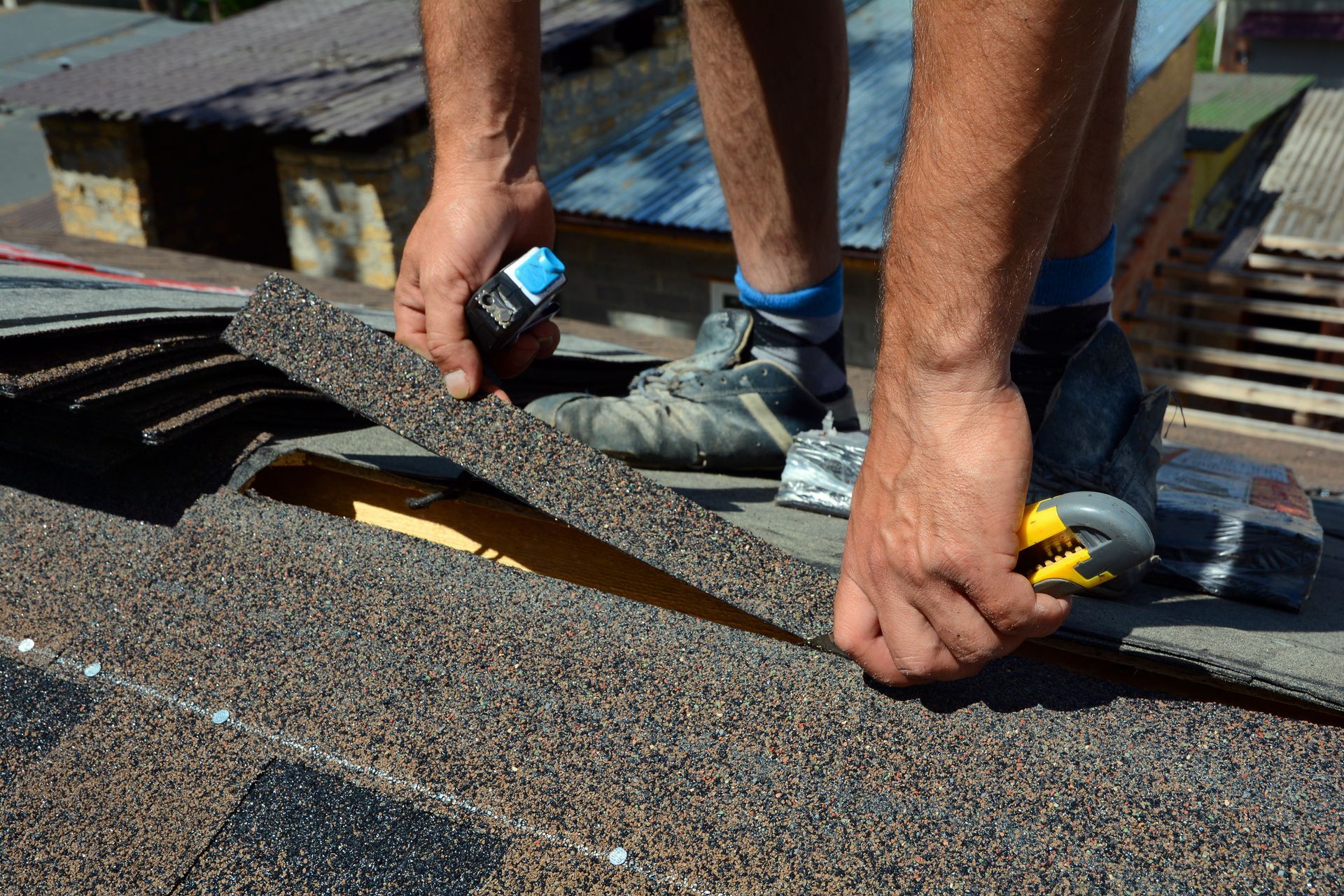
Even with a thorough inspection, unexpected expenses can appear once the old roofing materials are removed. Damaged decking, rotted wood, hidden leaks, poor ventilation, or improper previous repairs may need to be corrected before the new roof is installed. Setting aside room in the budget for these issues can help prevent stress during the project. While extra repairs may be frustrating, addressing them during installation can help protect the new roofing system and prevent future problems. Homeowners should also compare short-term costs with long-term value. Choosing the lowest price may not always lead to the best result. Quality materials and skilled workmanship can reduce the risk of premature repairs and improve the roof’s performance over time.
Getting a new roof is a major investment, so it helps to approach the project with clear priorities and practical expectations. Homeowners should start by evaluating the current roof, reviewing visible damage, checking for leaks, and considering the age of the materials. From there, comparing roofing options, budgeting carefully, reviewing warranties, and choosing qualified residential roofers can make the process easier to manage. Preparation also matters, from clearing the work area to protecting landscaping and knowing what to expect during installation. Once the new roof is complete, routine inspections, gutter care, proper ventilation, and timely repairs can help protect the system for years. By taking each step seriously and asking the right questions, homeowners can make a more informed decision.
Working with knowledgeable residential roofers can support a smoother project and help maintain the long-term value, appearance, and protection of the home. Contact Alpha Roofing and Siding LLC today for more.