November 7, 2026
A home's roof protects the structure from rain, wind, snow, and changing temperatures. When shingles become damaged, flashing loosens, or leaks develop, selecting suitable replacement materials is essential to restoring that protection. The right products should work with the existing roofing system, address the source of the problem, and withstand the property's local weather conditions. For homeowners in Pennsylvania and New Jersey, understanding these considerations can make it easier to discuss repair options with a professional.
Different roofing materials have specific installation requirements and performance characteristics. A product that works for an asphalt shingle roof may not be appropriate for a metal or slate system. Material compatibility, roof design, and the location of the damage all influence the recommended solution. Knowing how these factors affect residential roof repair can help homeowners make informed decisions about maintaining their properties.
Comparing Asphalt Shingle Materials
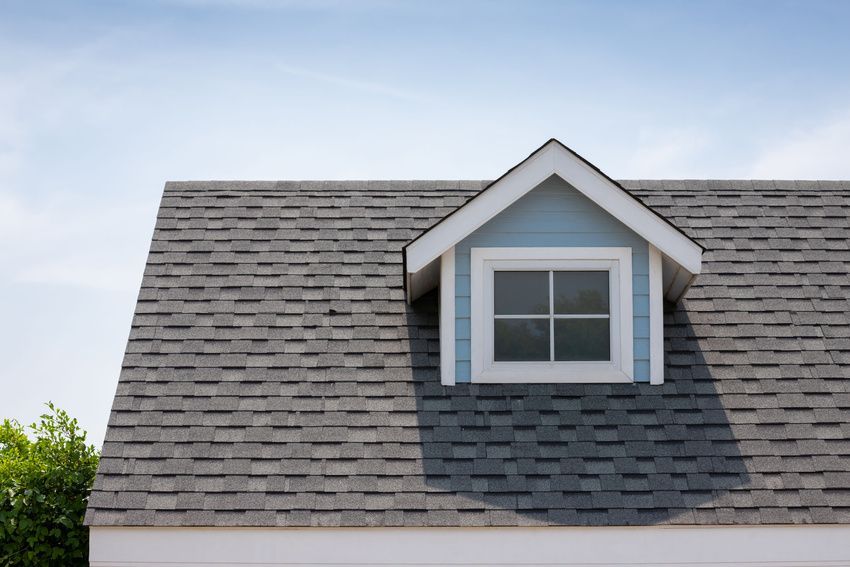
Asphalt shingles are widely used on residential properties and come in different styles, colors, and construction types. Traditional three-tab and architectural shingles have different profiles and thicknesses, making it important to identify the existing product before selecting replacements.
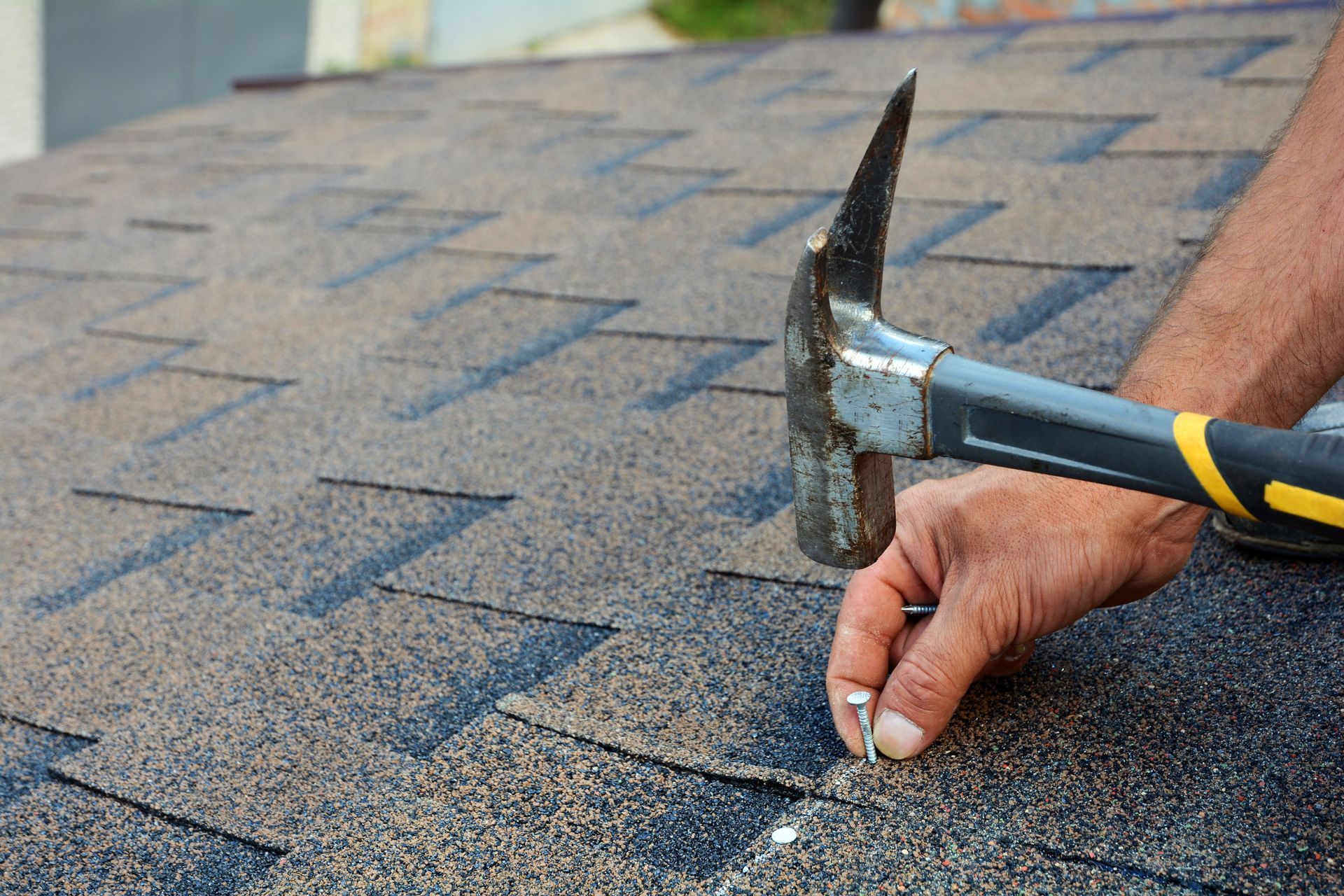
When shingles are missing, cracked, or lifted by strong winds, replacement materials should match the surrounding roof as closely as possible. Differences in color, texture, and dimensions can affect the finished appearance. However, an exact match may not always be available, particularly if the original shingles have faded or the manufacturer no longer produces that product.
Shingle quality is another consideration. Products vary in their construction, wind resistance, and manufacturer specifications. A roofing professional can assess the existing materials and recommend suitable replacements based on the roof's condition and exposure. Choosing compatible shingles helps maintain a consistent appearance while restoring the affected area.
Evaluating Metal Roofing Materials
Metal roofs have different construction and installation requirements from asphalt shingle systems. Residential properties may feature standing seam panels, metal shingles, or other panel configurations. Each type has specific profiles, finishes, fastening methods, and connection details that must be considered when addressing damage.
For example, a damaged metal panel may require a replacement that matches the existing system's dimensions and finish. Using an incompatible product or fastening method can affect how the repaired section connects to surrounding panels. Differences in color or coating may also be noticeable after the work is complete.
Temperature changes are another factor. Metal expands and contracts as temperatures fluctuate, so panel connections and fasteners must accommodate the system's design. Professional roof repair should account for these characteristics to ensure that replacement materials are appropriate for the existing roof.
Selecting Compatible Flashing and Underlayment
The visible roofing material is only one part of a residential roofing system. Underlayment and flashing help protect areas where water could otherwise reach the roof deck or enter the home. These components are particularly important around chimneys, skylights, valleys, vents, and roof edges.
Flashing directs water away from vulnerable transitions. If it becomes loose, corroded, or damaged, moisture may enter the home even when the surrounding shingles appear to be in good condition. The appropriate replacement depends on the location, roof material, and existing installation details.
Underlayment provides an additional protective layer beneath the exterior roofing material. Different products have specific compatibility and installation requirements. When a leak develops, a contractor should evaluate the surrounding layers rather than focusing only on the visible surface. Addressing damaged flashing or underlayment as part of roof repair can help resolve the underlying source of moisture intrusion.
Choosing Materials for Storm Damage Restoration
Strong winds, hail, and heavy rainfall can affect residential roofs in different ways. Wind may lift or remove shingles, while hail can leave visible impacts or damage roofing surfaces. Heavy rain can expose weaknesses around flashing, skylights, and other roof openings.
The appropriate replacement materials depend on the type and extent of the damage. Missing asphalt shingles generally require compatible replacements, while damaged metal panels may need products designed for the existing system. Flashing, gutters, and other components may also require attention if a storm affects several areas of the roof.
According to HomeGuide, roofs with pitches steeper than 6:12 generally cost more to replace because they require additional labor and enhanced safety precautions. This is an important consideration when evaluating storm damage on homes with steep roof designs.
After severe weather, a professional inspection can help identify visible and less obvious concerns. A contractor can assess the affected materials, document damage, and recommend appropriate restoration work. Prompt roof repair may help prevent water intrusion from causing additional deterioration inside the home.
Accounting for Roof Pitch and Drainage
Roof pitch influences how water drains from a home and which materials are appropriate for the surface. Low-slope and steep-slope roofs may require different products, installation methods, and protective components. Selecting materials without considering the roof's angle can affect how effectively the system manages moisture.
Drainage details are also important. Valleys, roof edges, and transitions between different sections can collect or direct water. If these areas contain damaged shingles, flashing, or other components, the replacement materials must work with the surrounding system.
Gutters contribute to the overall drainage process by directing rainwater away from the roofline and foundation. Damaged or poorly functioning gutters can allow water to collect near roof edges, potentially affecting nearby materials. Professional gutter repair and maintenance can help preserve proper drainage and support the roof's ability to manage rainfall.
Matching Materials Around Skylights and Ventilation Systems
Skylights and ventilation components create openings in the roof that require suitable materials and careful installation. Flashing around skylights helps direct water away from the opening, while properly integrated vents support the movement of air through the roofing system.
When a leak develops near a skylight, the source may involve the flashing, surrounding shingles, or the skylight itself. Replacing only the visible roofing material may not resolve the problem if another component is responsible. The contractor should inspect the entire area before recommending a solution.
Ventilation concerns also deserve attention during residential roofing work. Damaged vents or poorly integrated components can contribute to moisture and temperature issues in the attic. Improving or repairing ventilation systems may be appropriate depending on the roof's design and condition. The materials used should remain compatible with the existing roofing system and its ventilation requirements.
Considering Local Weather and Long-Term Performance
Pennsylvania and New Jersey experience changing seasonal conditions, including rain, snow, wind, humidity, and temperature fluctuations. These conditions place different demands on residential roofing materials throughout the year. A suitable replacement product should account for the property's exposure and the characteristics of the existing roof.
Moisture resistance is especially important in areas that receive frequent rainfall. Properly selected shingles, flashing, and underlayment help protect vulnerable sections from water intrusion. During colder months, snow and ice can place additional demands on roof edges, valleys, and drainage components. Wind exposure may also affect shingles and their fastening systems.
Material selection should reflect the home's location and roofing design rather than relying on one product as a universal solution. A contractor familiar with regional weather conditions can explain which materials are appropriate and whether surrounding components need attention. This evaluation helps homeowners understand how the recommended roof repair can support the property's long-term protection.
The right materials can make a meaningful difference in how well a repaired roof performs. Homeowners should consider compatibility, installation requirements, weather exposure, and the condition of surrounding components before approving a project. A professional inspection can help determine whether damaged shingles, flashing, gutters, skylights, or ventilation systems require attention.
Alpha Roofing and Siding LLC provides residential roof repair throughout Pennsylvania and New Jersey, including shingle replacement, leak detection, flashing, storm damage, gutter, skylight, and ventilation services. The company offers free estimates, available warranties, financing options, and 24-hour emergency service. Contact Alpha Roofing and Siding LLC to schedule an inspection and discuss solutions for protecting your home's roof.