May 27, 2026
A roof is one of the most critical structural components of any property, serving as the primary shield against the elements. Because a full replacement or major repair represents a significant financial investment, choosing a professional roofing company requires a strategic approach beyond simply comparing estimates. Homeowners must navigate a complex landscape of industry certifications, material specializations, and safety protocols to ensure their project is handled with precision. This guide explores the essential criteria for evaluating roofing companies, helping you identify a partner who offers the perfect balance of technical expertise, comprehensive warranty protection, and transparent financial planning.
Assessing Roofing Company Experience and Expertise
Years in Business
The longevity of a roofing company often serves as an indicator of its stability and reliability. Companies that have been in business for numerous years have likely seen various types of projects and challenges, honing their craft through experience. An established business typically builds a reputation based on satisfied customer testimonials and project successes. The longevity also suggests consistency, a crucial element in maintaining high standards of workmanship. As the industry evolves, experienced companies adapt by integrating new technologies and methodologies, offering homeowners reliable services that stand the test of time.
Specialization in Roofing Types
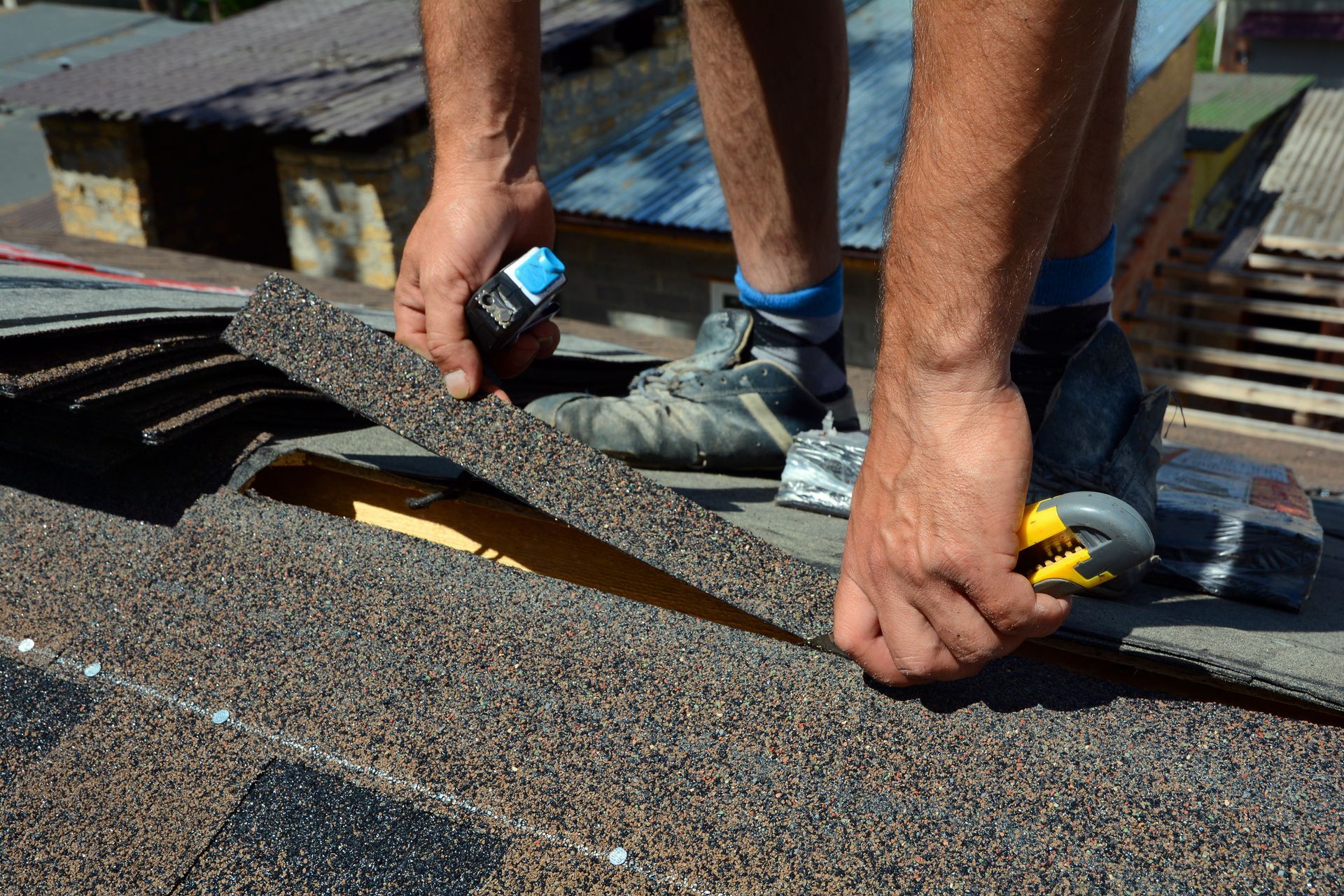
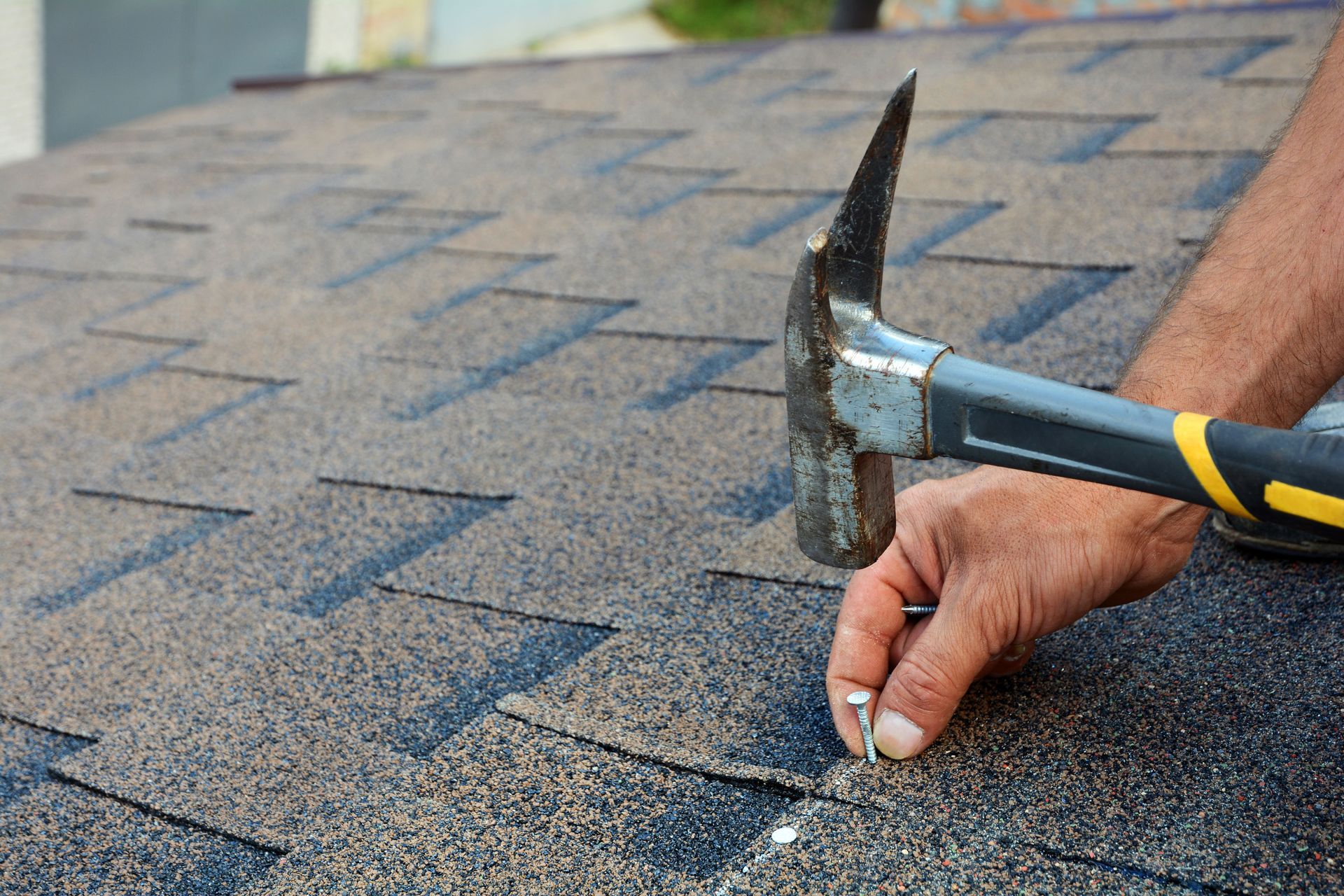
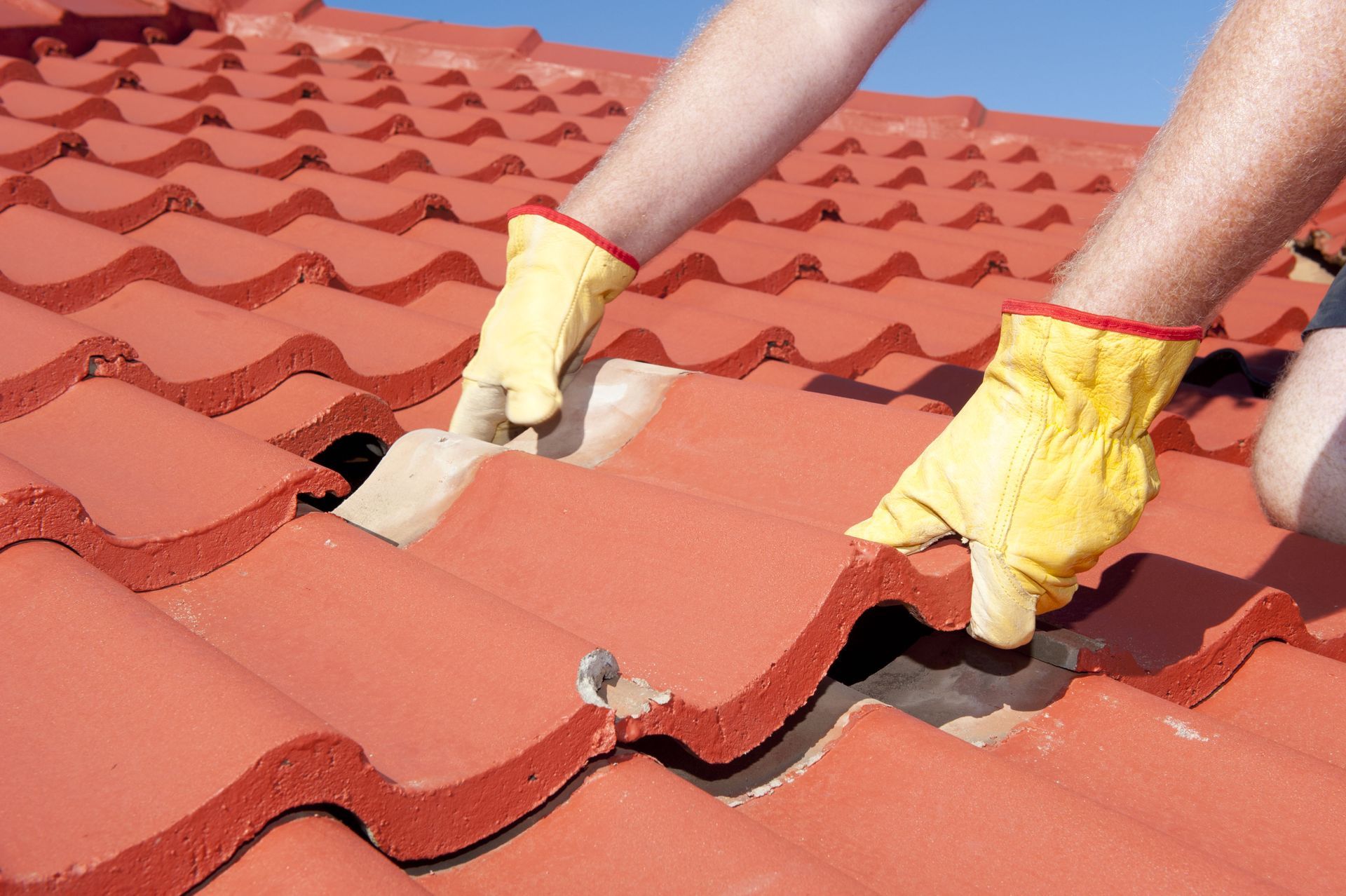
Selecting a company that specializes in the roofing material and style you require is critical to the project's success. Many companies have niche skill sets, focusing on particular roofing types like asphalt shingles, metal roofs, or tile roofs. According to RubyHome, asphalt shingles are utilized in approximately 80% of all residential roofing projects, making them the most common choice for homeowners and a primary focus for most industry specialists. Specialists often possess deeper knowledge and expertise regarding installation nuances and maintenance needs of specific materials. By aligning your project with a company skilled in your desired type of roof, you ensure a higher quality of workmanship and product lifespan. This focus leads to more accurate estimates and cost predictions, allowing for more effective budgeting and planning.
Portfolio and Past Projects
Evaluating a roofing company’s portfolio is an excellent way to gauge their experience levels and craftsmanship. A diverse portfolio can demonstrate a wide array of projects, showcasing versatility and adaptability. Reviewing client testimonials alongside past projects provides additional insight into customer satisfaction and company reliability. Cross-referencing these projects with similar ones aids in assessing whether the company's expertise aligns with your needs.
Exploring Warranty Options
Manufacturer vs. Workmanship Warranties
Warranties play a crucial role in protecting homeowners against defects and poor performance in roofing materials and workmanship. Manufacturer warranties usually cover defects in materials, promising a certain performance grade over time. Conversely, workmanship warranties assure that the installation adheres to industry standards, protecting against labor-related issues. Selecting roofing companies that offer comprehensive warranties can provide peace of mind, ensuring unforeseen problems are more easily addressed. Differentiating between these warranties will help homeowners know what is covered and when each type of warranty can be activated.
Duration and Coverage
Understanding the duration and extent of warranty coverage is vital for long-term roof protection. Warranties can vary considerably, typically ranging from 10 to 30 years, depending on the materials and company policies. Assessing both the length of coverage and its inclusions helps homeowners anticipate potential future costs and navigate warranty claims more effectively. Detailed attention should be paid to what incidents or components might void the warranty, such as unauthorized repairs or lack of maintenance. An all-encompassing warranty offers protection and can potentially increase property value during resale, as structures under warranty are often perceived as less risky investments.
Warranty Transferability
The ability to transfer a warranty to new property owners can be an attractive feature during home sales. Buyers value homes with transferable warranties, viewing them as reduced-risk investments due to guaranteed protections against defects or failures. If transferability is offered, homeowners should inquire about any conditions or fees connected to the process. Vendors usually set requirements for successful transfers, ensuring the new owner also complies with the terms to maintain warranty validity. Understanding and confirming transferability conditions can enhance negotiation leverage during property transactions.
Pricing and Financial Considerations
Cost Estimations and Quotes
The cost of roofing projects varies significantly, impacted by size, material choice, and complexity. Homeowners should seek detailed quotes that break down costs by components, materials, labor, and any additional services. Detailed cost breakdowns can prevent financial ambiguities and ensure there are no surprises when the final invoice arrives. Accurate cost estimations and transparent pricing help homeowners plan and allocate their budgets, allowing for suitable adjustments if necessary. Consulting multiple companies for comparable quotes enables homeowners to assess fair pricing, avoiding overcharging and undercutting alike.
Comparing Pricing Models
Roofing companies might adopt various pricing models like fixed pricing, time-and-materials, or unit pricing. Navigating these different models requires scrutiny to align them with budgetary considerations and project expectations. Fixed pricing offers clarity on total expenditure ahead of time, minimizing potential for cost overrun. Alternatively, time-and-materials pricing provides flexibility for projects with unpredictable scopes but warrants more oversight to control costs. Understanding these models’ implications assists homeowners in selecting a payment structure that matches their financial objectives and comfort levels.
Financing Options
Roof improvements can be a substantial financial undertaking. Fortunately, many roofing companies offer financing programs to ease the financial burden and spread the associated costs over time. Available options might include low-interest loans, lines of credit, or installment payments tailored to personal financial situations. Assessing financing terms, such as interest rates, payment schedules, and qualifications, is crucial to avoid unexpected financial strain. These options provide affordability and enable homeowners to secure quality roofing services without compromising on material or workmanship due to financial limitations.
Safety Protocols and Practices
Compliance with Safety Standards
Compliance with industry safety standards is non-negotiable for reputable roofing companies. Occupational Safety and Health Administration (OSHA) guidelines outline critical safety measures that protect both workers and property during operations. Safety protocols encompass material handling, equipment usage, and emergency preparedness, ensuring all elements of risk are addressed adequately. Companies that comply with such standards display a commitment to safeguarding life and property, offering clients peace of mind. Comprehensive safety measures enhance the project's timeline, budget adherence, and overall outcome by minimizing accidents and associated delays.
Insurance and Liability Coverage
Insurance and liability coverage are indispensable aspects of any roofing project's risk management strategy. Ensuring roofing contractors possess valid and comprehensive insurance policies eliminates clients' exposure to financial and legal liabilities. Coverage may include general liability, workers' compensation, and adequate limits on accidents or property damage claims. Risk management is bolstered by checking policy providers and coverage specifics to validate adequacy. Robust insurance protection fosters a safe working environment, underscoring the contractor's accountability and commitment to delivering responsible services.
Use of Safety Equipment
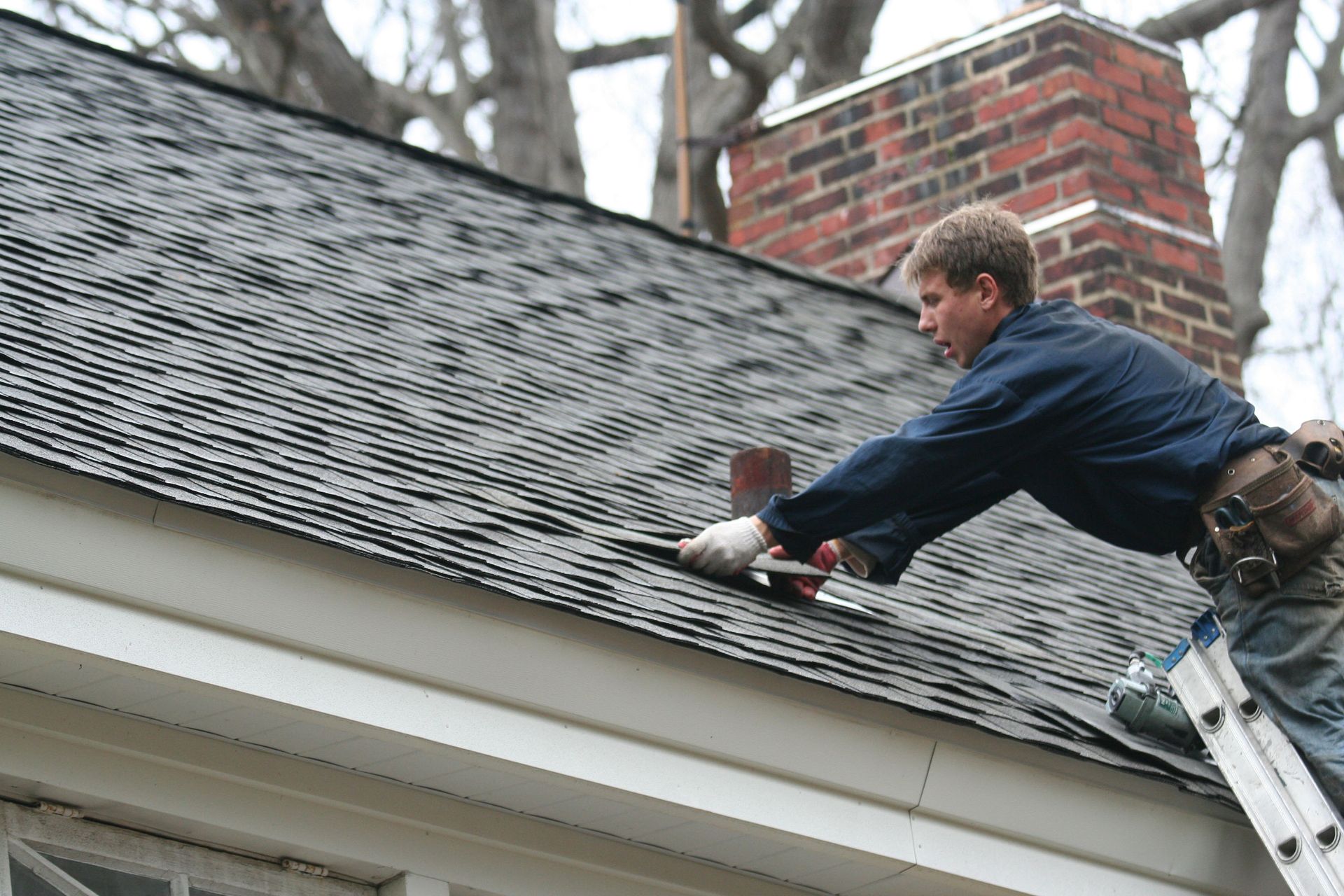
Proper utilization of safety equipment is paramount to safeguarding workers' well-being during roofing projects. Equipment such as fall protection harnesses, hard hats, and protective gear is required to meet safety standards and minimize workplace accidents. Well-equipped crews exhibit greater confidence, efficiency, and safety consciousness, elevating overall project quality. Investing in advanced safety equipment and employee training programs demonstrates a roofing company's commitment to safety criteria and its workforce. Observing compliance with appropriate safety gear utilization helps homeowners judge a contractor's professionalism and dedication to delivering a risk-free service.
The success of a roofing project depends on your ability to distinguish high-quality craftsmanship from quick, substandard fixes. By prioritizing roofing companies with a proven track record, verified certifications, and robust safety standards, you protect both your home’s structural integrity and your financial peace of mind. A well-installed roof backed by a transferable warranty does more than just provide shelter; it significantly enhances property value and ensures long-term durability. Investing the time to thoroughly vet your contractor today prevents costly failures tomorrow, securing a safe and resilient home for many years to come. Contact Alpha Roofing and Siding LLC today to secure your home with a professional roofing solution from our experts.